US Economy in 2026: The Warsh Fed Raises Rates to 4% as Inflation Hits 3.4% and Job Growth Stalls at 29,000
On September 16, 2026, the Federal Reserve raised its policy rate by a quarter point, to 3.75–4.00%. It was the first increase since July 2023, and the vote was 12 to 0. The Fed’s statement said inflation remained elevated. Its median projection pointed to one more hike before the end of the year.
Two weeks later, the September jobs report showed employers added just 29,000 jobs. July was revised to a loss of 10,000. Unemployment was 4.2%.
That’s the uncomfortable mix the economy is in: prices rising faster, hiring slowing, and a central bank choosing to fight inflation first.
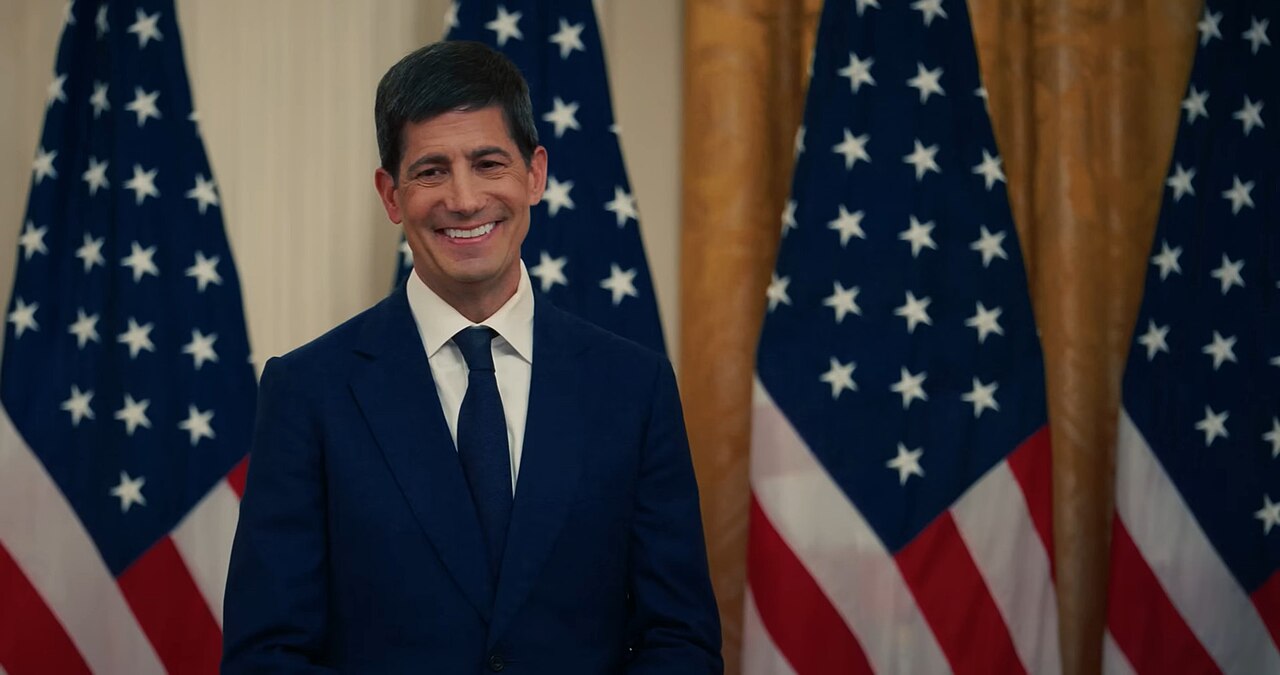
Photo: The White House, public domain via Wikimedia Commons
Inflation came back
Consumer prices rose 3.4% in the year to August, and 0.4% in August alone. Energy drove most of it, up 16.3% on the year, with crude oil above $100 a barrel in early September amid the conflict with Iran. Core inflation, which strips out food and energy, was lower at 2.4%. The Fed’s preferred gauge, the personal consumption expenditures price index, rose 3.4% in the year to August, with the core measure at 3.0%.
Tariffs are a second source of price pressure, though a smaller one since the Supreme Court struck down the emergency tariffs in February. The effective tariff rate fell from about 15% in late 2025 to about 10% by mid-2026, according to CBO.
Growth held up
Output hasn’t stalled. Real GDP grew at a 2.5% annual rate in the first quarter of 2026 and 2.2% in the second, with spending on data centers and inventories doing much of the work. The third-quarter estimate comes at the end of October.
The labor market is the weaker side. Payrolls rose 496,000 over the twelve months to September, far below the pace of earlier years. A preliminary revision cut 79,000 jobs from the twelve months to March. Wages are up 3.0% on the year, below inflation, so real pay is falling.
A new Fed
The Fed has a new chair. Kevin Warsh was confirmed by 54 votes to 45 on May 13, 2026, and sworn in on May 22. Jerome Powell stayed on as a governor. Under Warsh the Fed held rates at 3.50–3.75% through the summer, with some members dissenting in favor of cuts early in the year and others in favor of hikes by July, before September’s move.
The Fed’s independence was tested in court. In June 2026 the Supreme Court ruled 5 to 4 that Governor Lisa Cook could stay on the board while her challenge to her attempted removal continued, because the President hadn’t followed the required for-cause procedure.
What it means for the budget
Higher rates feed straight into the federal deficit. Net interest already costs about $1 trillion a year, more than defense. Every rise in rates adds to that bill as the Treasury rolls over debt.
The next Fed meeting is on October 27 and 28. The September inflation figures arrive on October 14. A second hike would push borrowing costs higher just as Congress heads into a lame-duck session with the government’s funding, defense budget and debt path all unresolved.